

Yes, a properly formulated massage candle can be safe to use, but it depends entirely on how it’s made and how you handle it. The single most important habit is testing the melted oil’s temperature on your wrist before it ever touches skin during a massage. Wait 60 to 90 seconds after blowing out the flame, then check the warmth before you pour. The steps below walk you through the rest, from ingredient labels to first aid.
TL;DR:
- Always wait 60 to 90 seconds after extinguishing the flame before testing the melted wax to ensure it is within a safe, skin-friendly temperature.
- Use a digital thermometer to verify the oil temperature stays in the low 100s Fahrenheit and perform a wrist or palm swatch test before full application.
- Only pour a small amount into your hand for further warming, and avoid skin areas that are irritated or recently waxed to prevent burns or reactions.
- Check ingredient labels for plant butters and carrier oils, and avoid candles containing paraffin, synthetic fragrances, dyes, or parabens that can cause skin irritation.
- Store candles in a cool, dry place with trimmed wicks, and never leave burning candles unattended to maintain safety and product longevity.
Table of Contents
- How Do You Test Massage Candle Temperature Safely?
- What Is the Safest Way to Use a Massage Candle Step by Step?
- What Ingredients Make a Massage Candle Skin-Safe?
- What Should You Do If You Get Burned or Have a Reaction?
- How Should You Store a Massage Candle Between Uses?
- Why Most Massage Candle Warnings Miss the Point
- Pair Your Massage Candle With the Right Products From Playful Cove
- Sources
How Do You Test Massage Candle Temperature Safely?
A massage candle isn’t a regular candle with a nicer scent. It’s built to melt into a warm oil at a temperature close to body heat, which is why the wax pools instead of just burning away. That dual-purpose design only works if you respect the safe temperature range experts describe as spa-warm, not hot.
Here’s the routine that keeps you out of trouble:
- Extinguish the flame, then wait 60 to 90 seconds before touching the melted pool. This gives the oil time to cool from flame temperature to something closer to skin temperature.
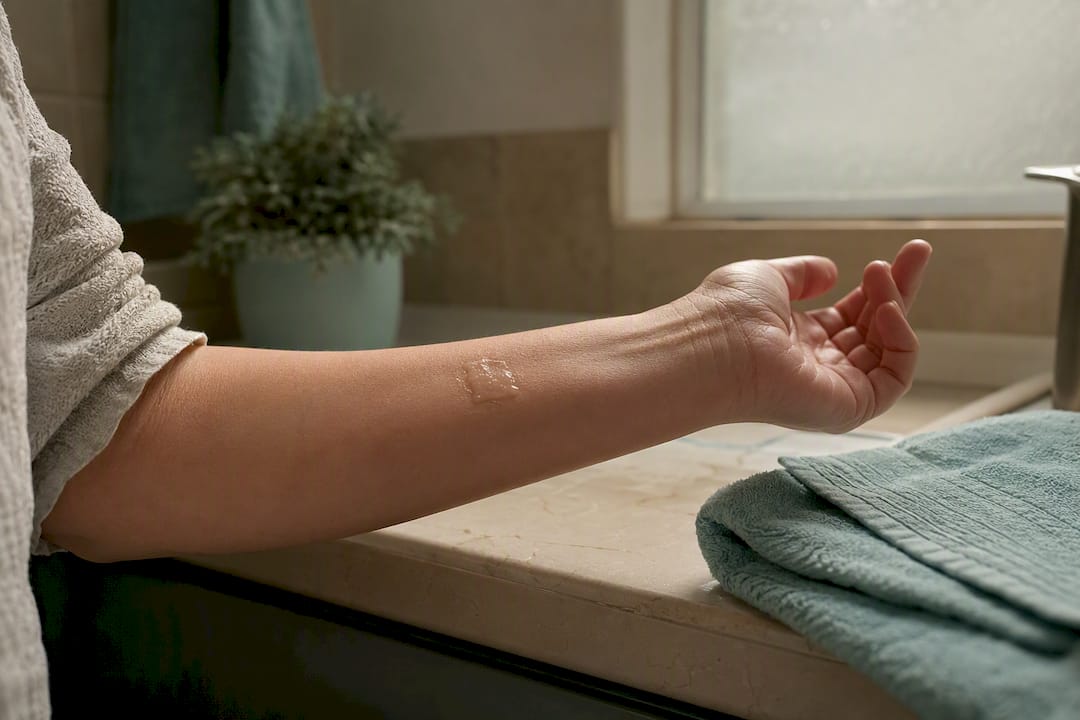
- Do a swatch test on your inner wrist or forearm, the same spots you’d use for testing bathwater on a baby.
- If you want more precision than your skin alone can give you, a kitchen digital thermometer works well. Look for a reading in the low 100s Fahrenheit, comfortably warm rather than scalding.
- Pour a small amount into your palm first before applying it more broadly. Your palm will tell you fast if something’s off.
Pro Tip: If the oil stings, feels hot to the touch, or makes your skin flush red within seconds, stop immediately and let it cool longer. Overheated massage oil is the most common cause of at-home burns, and it usually happens because someone poured too soon.
New to a specific scent or oil blend? Do a 24-hour patch test on a small area of skin before using it for a full massage. Fragrance oils and certain carrier oils can trigger reactions that take hours to show up, not seconds.
What Is the Safest Way to Use a Massage Candle Step by Step?
Good technique matters as much as good ingredients. Following the process in order protects both your skin and the people you’re sharing the moment with.
- Set up your space. Place the candle on a stable, heat-safe surface like a ceramic dish or metal tray, away from curtains, bedding, or anything flammable. Keep pets and kids out of the room while it’s lit.
- Trim the wick. Cut it to about a quarter inch before lighting. A long wick creates a bigger flame, more soot, and uneven melting, all of which raise your risk.
- Burn to form a full melt pool. Most massage candles need 10 to 20 minutes of burning to melt wax evenly across the surface. Stopping early means you’re only getting oil from the center, which can be inconsistent in temperature.
- Never leave it unattended. This is standard candle safety, and it applies just as much here. Stay in the room the entire time it’s lit.
- Apply carefully. Pour a small amount into your palm to warm it further before spreading it on skin. Avoid the eyes, mucous membranes, and any area that’s recently been shaved, waxed, or is already irritated.
- Massage as normal. A little oil goes a long way. Reapply in small amounts rather than pouring heavily all at once.
- Cool and store. Once you’re done, let the candle cool completely before putting the lid back on. Trim the wick again before your next use so it’s ready to go.
Skipping steps 5 and 6 is where most burns happen. People get impatient, pour straight from the flame, and end up with oil that’s hotter than it looks.
What Ingredients Make a Massage Candle Skin-Safe?
Not every candle labeled “massage candle” is actually formulated for skin. The ingredient list tells you the real story, and it’s worth reading before you buy.
Look for these on the label:
- Plant butters: shea, kokum, or cocoa butter form the moisturizing base of a well-made massage candle.
- Carrier oils: jojoba, sweet almond, or coconut oil help the melted wax spread smoothly and absorb into skin.
- Low-melt soy or specialized massage wax blends: manufacturers of blends like KeraSoy Massage 4115 publish exact melt and pour temperatures, which is a sign the company actually engineered the wax for skin contact rather than repurposing a standard candle formula.
Red flags that should send you looking elsewhere:
- Paraffin wax, which burns hotter and isn’t designed for topical use.
- Unspecified “fragrance” or “parfum” on the ingredient list, since this can hide a mix of synthetic chemicals, including phthalates.
- Synthetic dyes and parabens, both known irritants for sensitive skin.
Trustworthy labels will say phthalate-free, paraben-free, or cosmetic-grade, and many reputable brands include their own patch-test recommendation right on the packaging. If a product can’t tell you what’s in it, that’s your answer.
What Should You Do If You Get Burned or Have a Reaction?
Even careful people sometimes end up with a hot drop of oil on skin. Knowing what to do next matters more than panicking about it.
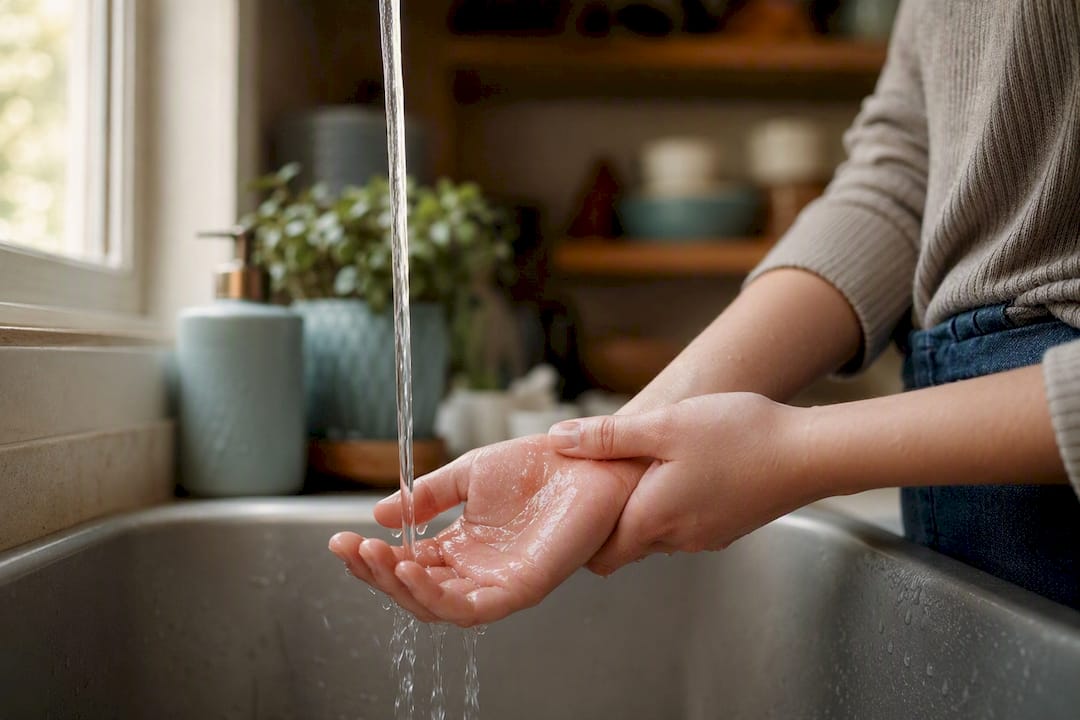
For a minor burn, cool the area under running water for 10 to 20 minutes. Skip the ice, since direct ice can damage already-stressed skin further. Cover the area loosely with a clean cloth, and see a doctor if you notice blistering, deep discoloration, or a burn larger than a few inches.
For a skin reaction like redness, itching, or a rash, wash the area with mild soap and water, stop using the product immediately, and consider an over-the-counter antihistamine if the reaction is mild. A severe reaction, meaning swelling, difficulty breathing, or spreading hives, needs a doctor right away.
A few extra cautions worth knowing:
- Keep the room ventilated, since some essential oils like ylang-ylang aren’t recommended around pets, especially cats.
- If you’re pregnant, talk with your healthcare provider before using scented massage products, since certain essential oils carry pregnancy-specific cautions.
How Should You Store a Massage Candle Between Uses?
A little upkeep between sessions keeps your candle burning evenly and safely for longer.
- Trim the wick to about a quarter inch before every burn. A well-trimmed wick means a smaller, more controlled flame and less soot.
- Keep single sessions to around 20 to 30 minutes. Extended burns raise the container’s temperature and can degrade the wax formula over time.
- Store the candle with its lid on in a cool, dry spot away from direct sunlight and heat sources like radiators or windowsills.
- Keep it out of reach of children and pets, both while burning and in storage.
Simple habits like these are exactly what candle-makers and safety guides consistently recommend, and they’re the difference between a candle that lasts and one that turns unpredictable halfway through its life.
Why Most Massage Candle Warnings Miss the Point
Most articles about massage candle safety focus so heavily on burn prevention that they skip the more common problem: skin sensitivity. Temperature mistakes are usually a one-time scare that teaches you to slow down. Reactions to synthetic fragrance or unlisted chemicals build quietly, showing up as ongoing dryness or irritation that people never trace back to their favorite candle.
That’s why the label checklist matters as much as the wait-90-seconds rule. A candle made from real plant butters and named essential oils is forgiving even if you’re a little impatient with your timing. A candle padded with cheap paraffin and vague “fragrance” can cause trouble even when you follow every temperature rule perfectly.
Playful Cove pairs this kind of guidance with product recommendations built for the same body-safe standard, including our guide to massage oils for couples if you’d rather skip the wax step entirely and go straight to oil. If you’re combining a candle ritual with intimate touch, we’d also point you toward sensitive-skin lubricant guidance, since the same fragrance-sensitivity logic applies there too. Whatever you choose, patch-test first, and check with a healthcare provider if you’re pregnant or managing a skin condition.
Pair Your Massage Candle With the Right Products From Playful Cove
Once you’ve got the candle part figured out, the rest of your evening deserves the same care. Playful Cove carries fragrance-checked, body-safe products built for exactly this kind of intimate setting, so you’re not left guessing whether something else on your nightstand meets the same standard your candle does.

If you’re looking for a warming oil to layer into your massage routine, our Me and You Pheromone Infused Luxury Massage Oil is formulated with skin comfort in mind and pairs naturally with a slow, unhurried massage session. And if the evening moves in a more intimate direction afterward, our lubricant collection, including the JO Premium Silicone Lubricant, is chosen with the same ingredient transparency we recommend you look for in a candle label. Browse the collection, check what fits your comfort level, and order with discreet packaging straight to your door.
Sources
- Massage Candles 'Seem Crazy to Me, But This Masseuse Explains Why They’re About to Be the Next Big Thing | Livingetc
- Are Massage Candles Safe? (SOSA home & body)
- KeraSoy Massage 4115 (The Candle Fragrance Co.)
