

For a first purchase, choose a mid-weight TPE doll or a compact inflatable model in the $1,200 to $1,800 range and start with the quick buyer checklist before you check out. TPE feels softer and costs less upfront, which suits most beginners willing to spend a few minutes a week on care. Starter-friendly inflatable and insert options are available if you want to ease into ownership without the full commitment of a life-size doll.
TL;DR:
- TPE dolls are softer and cheaper initially but require more maintenance, including drying and powdering, and have a higher stain risk due to porosity.
- Silicone dolls are firmer, easier to clean, and last longer with proper care, but typically cost more upfront.
- Full-size dolls over 80 pounds generally need two-person handling or lifting aids, with inflatable options weighing just a few pounds for easy storage.
- Buying from legitimate sellers involves checking for real photos, responding contact info, and confirming transparent shipping and return policies to avoid scams.
- Budget an additional $100 to $200 annually for cleaning supplies, storage, and maintenance tools beyond the initial doll cost.
Table of Contents
- Five Things to Confirm Before You Buy a Sex Doll
- TPE vs Silicone: Which Material Fits Your Lifestyle?
- How Size and Weight Affect Storage, Handling, and Real Cost
- Owner-Ready Maintenance Schedule for TPE and Silicone
- How to Verify Sellers and Avoid Scams
- Your First 48 Hours: Purchase, Delivery, and Setup
- Playful Cove as a Practical Way to Start
- Customization Options and How to Choose Features
- Compatibility With Accessories and Clothing
- Ownership Lessons We Think Every New Buyer Needs to Hear
- Starter Kit Options Worth Adding to Your Cart
- Sources
Five Things to Confirm Before You Buy a Sex Doll
A little homework before checkout saves you from the two most common regrets we hear about: buying the wrong material for your lifestyle, and underestimating the total cost of ownership. Run through this list on any product page before you commit.
- Material match: confirm whether the listing says TPE or silicone, and be honest with yourself about how much cleaning time you’re willing to give it each week.
- Size and handling: check the listed weight and height, then picture where you’ll store it and whether you can move it alone or need a two-person lift.
- Seller legitimacy: look for real product photos (not just stock renders), a physical business address, and a working customer service contact.
- Return and warranty terms: read the fine print on damaged-in-transit policies and whether custom orders can be canceled or refunded.
- Total cost: add up the doll, a cleaning kit, storage bag, and any wig or clothing extras. This number is almost always higher than the sticker price.
Pro Tip: Screenshot the product listing, price, and return policy the day you order. Sellers occasionally update pages after purchase, and having your own record makes any dispute far easier to resolve.
Buyer intent varies a lot here. Some shoppers want a full-body realistic doll, others are comparing torso options, and plenty start with an inflatable model to test the waters before investing more. That range of form factors exists precisely because storage space, budget, and comfort level differ from one buyer to the next, so don’t assume the priciest full-size option is automatically the right starting point.
TPE vs Silicone: Which Material Fits Your Lifestyle?
TPE and silicone solve the same problem in different ways, and the choice mostly comes down to how much maintenance time you want to trade for how much money you want to save. TPE (thermoplastic elastomer) is usually softer and less expensive but more porous and maintenance-heavy, while silicone is firmer, less porous, easier to clean, and typically more durable, according to a material comparison guide from PrimeSexDoll. That single trade-off drives almost every other decision in this section.
Here’s what that difference actually means once the doll is in your home:
- Feel: TPE has a squishier, more skin-like give. Silicone feels firmer and slightly more resistant to pressure.
- Price: TPE dolls generally cost less at every size tier, which is why most entry-level and mid-range options use it.
- Stain risk: TPE’s porous surface absorbs dye from dark clothing, denim, and some lubricants far more readily than silicone.
- Maintenance time: TPE needs drying, powdering, and more frequent inspection. Silicone tolerates a faster clean-and-store routine.
- Lifespan: both last for years with proper care, but silicone’s non-porous surface resists degradation better over time.
A body-safe materials primer is worth reading before you buy anything, since certification language (“Platinum Cured,” a Certificate of Analysis) tells you more about long-term safety than marketing copy does.
By the numbers: TPE is generally preferable for buyers who prioritize softness and a lower initial outlay, provided they accept the higher maintenance load that comes with it. If you already know you won’t dry and powder a doll on schedule, silicone’s lower-maintenance profile will save you more in the long run than the upfront discount on TPE ever could.
Which buyer fits which material
Budget-first buyers usually do best with TPE. The lower price point makes it easier to test whether doll ownership fits your routine before spending more, and the softness reads as more realistic to many first-time owners.
Low-maintenance buyers should lean silicone, even at a higher price. If your schedule doesn’t allow for weekly drying and powdering sessions, silicone’s easier cleanup will matter more than the cost difference over the first year.
Detail-focused buyers who care about skin texture, joint articulation, and custom face sculpts often gravitate toward silicone for facial features and TPE for the body, which brings up a genuinely useful middle path.
Hybrid options pair a silicone head with a TPE body, giving you sharper facial detail (silicone holds fine sculpting better) while keeping the more affordable, softer TPE for the parts that see the most physical contact. This combination makes sense if facial realism matters to you more than full-body stain resistance, and it usually costs less than an all-silicone doll of the same size.
How Size and Weight Affect Storage, Handling, and Real Cost
Weight is the variable first-time buyers underestimate most. Full-size dolls commonly range from 60 to over 100 pounds depending on height and internal skeleton, and that weight doesn’t move like a person’s does. There’s no way to shift your grip mid-lift the way you would with another adult, which is why sellers recommend planning your handling approach before the doll arrives, not after.
For beginners and small-space owners, a doll in the 4’5" to 5’ range, or an inflatable model, is the more manageable starting point. Inflatable options like an inflatable life-size doll weigh only a few pounds, store flat, and require no lifting strategy at all. If you live in an apartment or share space with roommates, this category solves the storage problem before it starts.
For full-size dolls, plan for:
- Two-person moves for anything over 80 pounds, especially up or down stairs.
- A hoist or lifting strap if you’ll be repositioning the doll regularly and live alone.
- A dedicated storage spot with enough clearance that you’re not wrestling the doll around furniture.
What price bands actually buy you
Entry-level dolls under $800 often use cheaper internal skeletons and see higher failure rates at the joints within the first year. A more realistic budget for a durable first full-size doll sits in the $1,200 to $1,800 range for TPE, with silicone dolls typically running higher because of material and manufacturing cost. Above that range, you’re generally paying for finer skin texture, more realistic joint articulation, and custom face or body sculpting.
Hidden costs catch almost everyone off guard the first time:
- A drying rod or hanging system for internal cavity airflow.
- pH-balanced cleanser made for doll-safe materials, not generic soap.
- A storage bag or breathable cover to protect against dust and light exposure.
- Renewal powder for TPE dolls, used after every drying cycle.
- Occasional replacement inserts if your doll uses a removable vaginal or oral component.
Budget an extra $100 to $200 in the first year for these supplies on top of the doll itself.
Owner-Ready Maintenance Schedule for TPE and Silicone
A disciplined routine prevents the vast majority of problems doll owners run into. After-use cleaning and drying alone prevents roughly 80% of maintenance-related failures, with monthly inspection catching most of what’s left. That ratio matters because it tells you where to spend your effort: the five minutes right after use matter more than any deep-clean session you schedule later.
Trapped moisture is the single biggest threat to a doll’s longevity. Left undried, internal cavities and joint crevices can start growing mold within 48 to 72 hours, which is why drying isn’t an optional step you can skip when you’re tired.
After-each-use checklist
| Step | Time needed | Notes |
|---|---|---|
| Rinse cavities with lukewarm water | 3–5 minutes | Use a doll-safe cleanser, not soap |
| Pat dry exterior | 2 minutes | Use a lint-free towel |
| Air-dry internal cavities | 45–90 minutes | Use a fan or drying rod; don’t rush this step |
| Apply renewal powder (TPE only) | 2–3 minutes | Restores surface texture and reduces tackiness |
That drying window (45 to 90 minutes) comes directly from care guidance built for TPE and silicone dolls, and it’s worth following even when you’re inclined to shortcut it. Silicone dries faster and tolerates a slightly shorter airing period, but skipping the step entirely on either material invites the mold problem above.
Weekly, monthly, and quarterly tasks
Beyond the after-use basics, build in a few recurring checks:
- Weekly: wipe down external skin surfaces even on days without use, since dust and lint accumulate.
- Monthly: inspect joints for any looseness, cracking, or discoloration, particularly at the neck, wrists, and hip flexion points.
- Quarterly: do a deeper inspection of seams and any silicone/TPE hybrid junctions, where two materials meet and stress concentrates over time.
Products to avoid, and safer substitutes
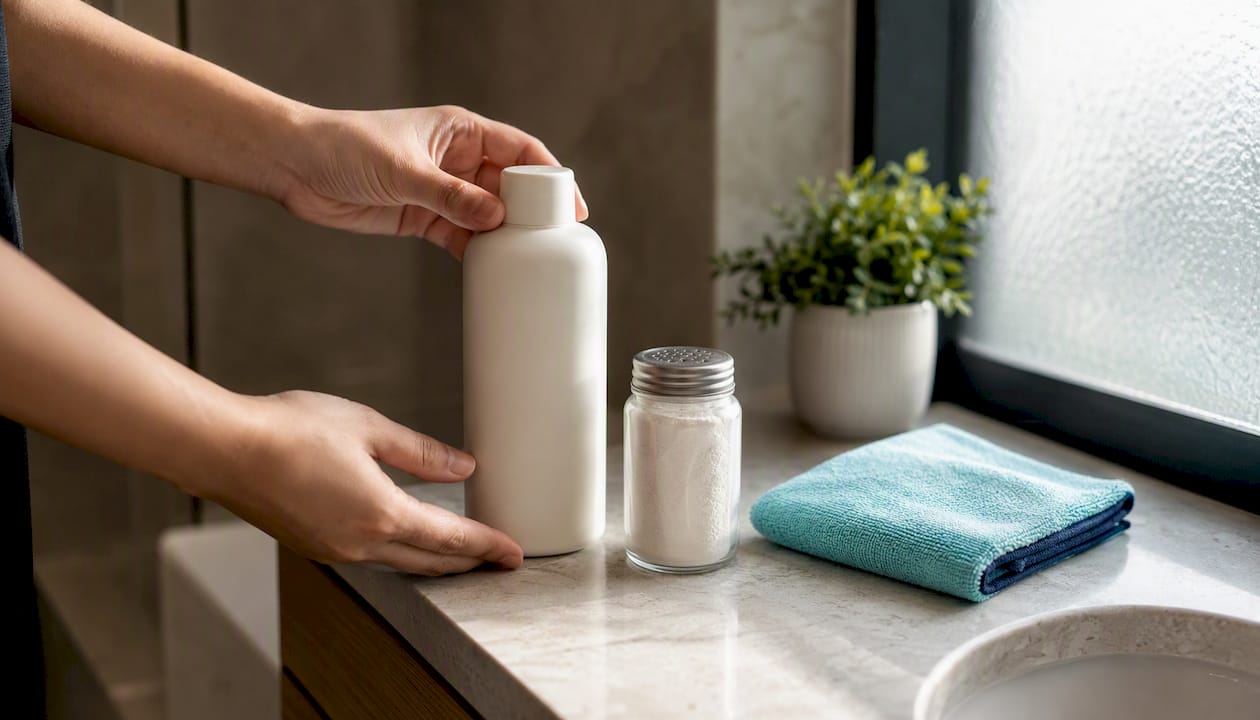
Skip rubbing alcohol, standard dish soap, and drugstore baby powder. Alcohol dries out and cracks both TPE and silicone over repeated use. Dish soap is formulated to cut grease, which also strips the surface finish. Talc-based powders can irritate skin and aren’t formulated for doll materials. Use a pH-neutral, doll-specific cleanser and a cornstarch-based renewal powder instead. Both are inexpensive and widely available from doll accessory sellers.
Lifespan estimates
With consistent care, a TPE doll typically lasts 5 to 10 years, while a well-maintained silicone doll can last 8 to 10 years or longer. Neglect the drying and inspection routine, and either material’s lifespan drops significantly. The maintenance schedule above isn’t a suggestion so much as the actual difference between a two-year doll and a decade-long one.
Pro Tip: Keep a simple log, even just a note in your phone, of the last time you did a full inspection. It’s easy to lose track of “monthly” checks once the newness wears off.
How to Verify Sellers and Avoid Scams
The intimate wellness industry has its share of storefronts that vanish after taking payment, so vetting a seller before you buy matters as much as vetting the product itself. A few checks catch most problems before money changes hands.
- Look for real owner photos, not just studio renders. Legitimate sellers often show unretouched images or customer submissions. A listing with only glossy, identical-looking stock photos across every color option is a warning sign.
- Pay by credit card, never wire transfer or cryptocurrency. Card payments give you dispute protection if the product never arrives or arrives damaged. Wire transfers and crypto payments offer no recourse at all.
- Confirm a real contact method exists. A working phone number, a physical business address, or a responsive support email are basic signs of a legitimate operation, and their absence should end the transaction.
- Ask about shipping details in writing before you pay. Reputable sellers will tell you plainly whether an item ships from stock or requires manufacturing, and roughly how long that will take.
- Request discreet packaging in writing if the listing doesn’t already guarantee it. This protects your privacy and gives you a paper trail if the package arrives in a way that violates what was promised.
Save everything: your order confirmation, any photos exchanged with the seller, and copies of support emails. If a package arrives damaged or the product materially differs from what was advertised, photograph the item and packaging immediately, before you clean or use anything, and contact the seller within the window stated in their return policy. Most legitimate sellers resolve these issues within a few business days when you provide clear documentation up front. These buyer-protection habits apply whether you’re buying a $400 inflatable model or a $2,500 custom silicone doll.
Your First 48 Hours: Purchase, Delivery, and Setup
Getting this window right sets the tone for how well the doll holds up over its whole lifespan. Treat the first two days as a sequence, not a single unboxing moment.
Before you check out, ask the seller directly (and get the answer in writing):
- Does this ship from existing stock, or is it a custom order?
- What’s the estimated delivery window?
- What does the return policy cover if the item arrives damaged?
Custom orders typically ship in four to eight weeks, while in-stock dolls ship within days. Knowing which category you’re buying prevents the anxious “where is my order” spiral around week two.
When the package arrives:
- Photograph the sealed exterior packaging before opening it, in case you need to file a shipping damage claim.
- Open carefully and check the doll against the listing description: skin tone, joint mobility, and any customized features you ordered.
- Note any damage, discoloration, or missing accessories immediately, and photograph everything before you touch or clean the doll.
During the first week, give the doll its first full clean using a doll-safe cleanser, dry all cavities thoroughly using the 45 to 90 minute window covered above, and apply renewal powder if it’s TPE. Store it flat or upright somewhere it won’t rest under pressure, ideally with a light-colored fabric barrier rather than dark or dyed materials, which can transfer color onto the surface over time.
If anything seems off, contact support right away and include your order number, clear photos, and a specific description of the issue. Vague complaints take longer to resolve than specific ones.
Playful Cove as a Practical Way to Start
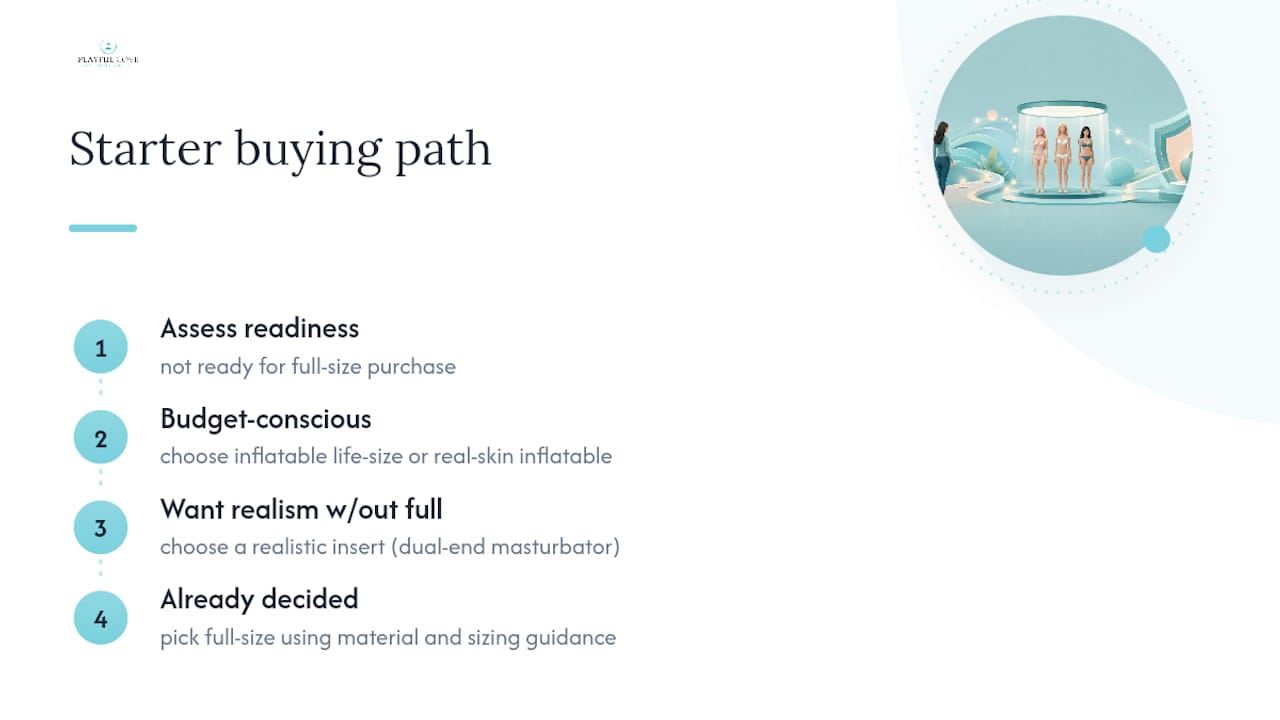
If you’re not ready to commit to a full-size doll on your first purchase, Some retailers offer a lower-risk entry point into the same category. The store carries inflatable love dolls, realistic inserts, and starter accessories built around the exact ownership concerns covered above: weight, storage, and manageable maintenance.
For buyers worried about handling and space, an inflatable life-size doll or the real-skin inflatable option each weighs a fraction of a full TPE or silicone model and stores flat in a closet. Neither requires a two-person lift or a dedicated storage frame.
If your interest leans more toward a realistic insert than a full-body doll, a dual-end realistic masturbator delivers texture and realism at a fraction of the size, cost, and maintenance commitment.
Every order ships in discreet, unmarked packaging with no exterior labeling that identifies the contents, and U.S.-based fulfillment can mean realistic shipping timelines instead of vague overseas estimates. Support may be available by email for questions about material care, sizing, or order status, which matters most in that first-week window when you’re still learning the product.
How to pick: if you’re budget-conscious and testing the waters, start with an inflatable model. If you want more realism without the full commitment of a life-size doll, a realistic insert is the better fit. If you’ve already decided on a full-size doll, use the material and sizing guidance above to narrow your options before checkout.
Customization Options and How to Choose Features
Most sellers offer some combination of skin tone, hair color and style, eye color, and body type at checkout, with pricing that increases alongside the level of customization. Face sculpts vary the most between sellers and materially affect price, since a fully custom sculpt requires more manufacturing time than a standard catalog face.
Prioritize function over cosmetic detail on a first purchase. Removable inserts, for instance, matter more day-to-day than an upgraded eye color, since they make cleaning dramatically easier and extend the usable life of the doll. Articulated joints (steel skeleton vs. simpler internal frame) affect posability and, indirectly, how easy the doll is to store and reposition.
If you’re deciding between two similar listings, weigh customization against your actual maintenance tolerance. A fully custom silicone doll with premium joint articulation costs meaningfully more and takes longer to arrive, per the shipping lead times noted earlier, than a standard in-stock TPE model with basic customization. For a first doll, standard options in your preferred size and material band usually deliver more real-world satisfaction than a heavily customized order that takes two months to arrive.
Compatibility With Accessories and Clothing
Clothing and accessories work with dolls the same way they do on skin, meaning fabric choice matters more than most first-time buyers expect. Light-colored, undyed fabrics are the safer default, since dark or poorly dyed clothing can transfer color onto TPE or silicone surfaces, especially with any moisture present. This risk applies to both materials, though TPE’s porous surface tends to show staining more readily.
Wigs, lingerie, and costume accessories are generally safe as long as you avoid leaving dark or damp fabric against the skin for extended periods. If you plan to dress your doll regularly, keep a rotation of lighter-colored options for anything that will stay on for hours, and reserve darker pieces for shorter styled sessions you can remove and clean up after.
Lubricants deserve the same scrutiny as cleaning products. Silicone-based lubricants can degrade silicone doll skin over time (a material-on-material reaction), so water-based lubricants are the safer universal choice regardless of which material your doll is made from.
Ownership Lessons We Think Every New Buyer Needs to Hear
The gap between what a product listing promises and what daily ownership actually involves is where most disappointment lives. A doll photographed under studio lighting looks nothing like a doll you’re drying, powdering, and repositioning in your bedroom closet three months in. Realistic expectations, more than any single feature, determine whether someone feels satisfied with their purchase a year later.
The three mistakes we see most often are entirely avoidable. First, buyers skip the drying step because it feels tedious, then wonder why odor or discoloration shows up within a few months. Second, buyers underestimate weight and end up with a doll too heavy to reposition comfortably alone, which quietly turns a doll into storage clutter. Third, buyers focus their whole budget on the doll itself and get blindsided by the cost of cleaner, powder, and storage supplies afterward.
A simple starter kit solves most of this before it becomes a problem: a pH-neutral cleanser, a drying rod or stand, TPE renewal powder if applicable, and a breathable storage bag. That’s a modest addition to your total budget, and it’s the difference between a doll that looks and feels good in year two and one that’s degraded past the point of enjoyment.
None of this is complicated. It just requires treating maintenance as part of the purchase, not an afterthought you’ll get to eventually.
— Playful Cove Editorial Team
Starter Kit Options Worth Adding to Your Cart
Getting the maintenance basics right from day one is easier when you’re not scrambling to find supplies after the doll has already arrived. Some retailers stock intimate wellness accessories that pair naturally with new doll ownership, from cleaning-adjacent products to companion items for couples and solo exploration alike.

If you’re building out a starter setup, a few categories are worth browsing directly on the site:
- Realistic inserts like the dual-end masturbator for buyers who want texture without full-doll commitment.
- Compact inflatable options such as the real-skin inflatable doll for small-space or budget-first buyers.
- Silicone accessories like the rechargeable thrusting and rotating dildo for buyers who want to pair a doll with additional silicone toys that share the same easy-clean material profile.
Every order may ship in plain, unmarked packaging with no exterior branding, and support may be handled domestically, reducing wait times for replies. Browse the current starter accessories and companion products to build out a setup that matches the budget and maintenance level you settled on above, and check out whenever you’re ready.
Sources
A few sources informed the practical guidance throughout this article, and they’re worth a closer look if you want more detail on any specific step.
The Sex Doll Care Manual from ColaDolls covers the full maintenance routine, drying times, and lifespan estimates referenced in the care section. The material comparison guide from PrimeSexDoll backs the TPE versus silicone trade-offs discussed throughout. The maintenance guide from The Silver Doll supports the storage and stain-prevention advice in the sizing and care sections. Together, these sources shaped the practical, ownership-first approach this guide takes toward buying and caring for a realistic doll.
- TPE vs Silicone Sex Dolls | Material Comparison Guide - PrimeSexDoll
