

For most North American buyers, a cordless rechargeable wand with a medical-grade silicone head is the right first purchase. If you need the strongest sustained power available, a corded plug-in wand is the better call. Either way, three checks should happen before you buy anything:
- Material disclosure: The product page must name the head material. Medical-grade silicone or ABS plastic are the safe choices. Walk away from anything labeled TPE, TPR, or “jelly” — those materials are porous and cannot be fully sanitized.
- Electrical safety listing: Look for an ETL or UL listing, or explicit manufacturer voltage info. Corded wands typically run 110–120V, while most rechargeable models list 110–240V for broader compatibility. That difference matters for North American outlets.
- Waterproof rating (IPX level): IPX4 means splash-resistant. IPX7 means it can handle temporary submersion. Corded wands cannot carry a full waterproof rating because the cord entry point cannot be sealed.
Budget-wise, beginner rechargeable wands start around $40–$60. Mid-range options with better motor quality and IPX7 ratings land in the $80–$130 range. High-power plug-in wands like the Doxy Die Cast 3 sit at the premium end. Always check the return policy and warranty before checkout.
Pro Tip: On first use, press the wand against your forearm for 10 seconds at the lowest setting. You’ll confirm the vibration profile, check that the motor doesn’t run hot, and get a feel for intensity before using it anywhere more sensitive.
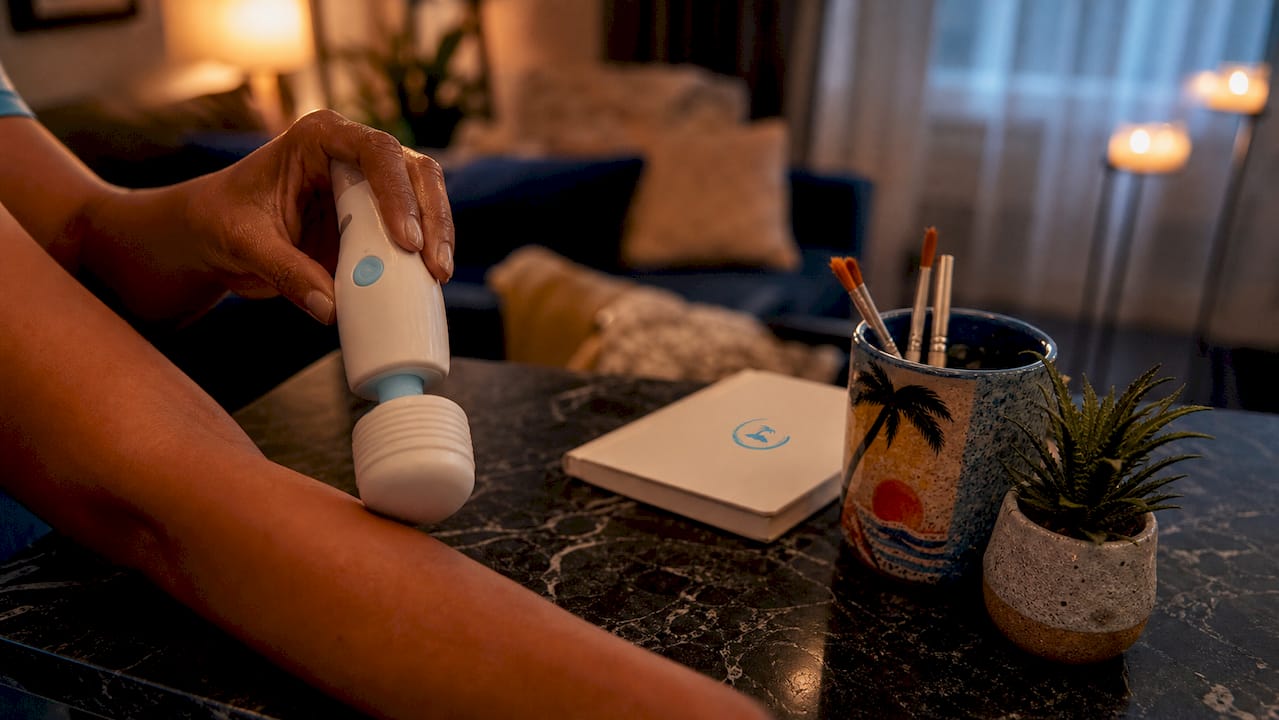
Table of Contents
- What is a wand massager, and who is it for?
- How do you choose the right wand massager?
- How do you use a wand massager safely?
- How should you clean, store, and care for your wand?
- What does the evidence say about numbness and health risks?
- Playful Cove picks: which wand fits your situation?
- Key Takeaways
- The part most buying guides skip
- Ready to shop? Playful Cove has you covered
- Sources and further reading
What is a wand massager, and who is it for?
A wand massager is a handheld device with a wide, rounded head that delivers broad, rumbly vibrations. It’s designed for external use, most commonly for clitoral stimulation and muscle relief. The wide head covers more surface area than a bullet vibrator, and the motor tends to run deeper and more resonant rather than buzzy.
Three mechanical features set wands apart from other external toys. First, the motor is larger, which produces that characteristic deep rumble. Second, the head surface area is significantly wider, distributing sensation across a broader zone. Third, many wands have a flexible neck that lets you angle the head without repositioning your whole hand.
Deciding between a wand, a bullet, or a suction stimulator comes down to what kind of sensation you prefer and how you like to use it.
| Device | Best use case | Who it fits |
|---|---|---|
| Wand massager | Broad external stimulation; muscle relief | People who prefer diffuse, rumbly pressure over a wide area |
| Bullet vibrator | Pinpoint clitoral stimulation; travel | People who want precise, targeted sensation in a compact form |
| Suction stimulator | Contactless clitoral stimulation | People who prefer air-pulse or suction sensation with no direct pressure |
If you want something that doubles for back and shoulder tension after a long day, a wand is the only one of these three that genuinely works for that purpose. If precision and portability are your priorities, a rechargeable bullet vibrator may suit you better. For suction-style stimulation, a dedicated clitoral stimulator is the cleaner choice.
How do you choose the right wand massager?
This is where most buyers get tripped up. Marketing copy emphasizes pattern counts and sleek designs. What actually affects your experience is power source, materials, IPX rating, and motor quality. Here’s how to weigh each one.
Power source: corded vs. rechargeable
Corded plug-in wands deliver the strongest sustained power and never run out mid-session. The tradeoffs are real, though: you’re tethered to an outlet, they can’t be used in the shower, and the cord limits positioning. Rechargeable wands trade a bit of peak power for portability, often include waterproofing, and charge via USB-C on modern models. Disposable battery wands exist but aren’t worth recommending — battery drain affects motor performance, and the ongoing cost adds up.
For North American buyers, voltage compatibility and ETL/UL safety listings are the fastest way to filter out low-quality imports. If a product page doesn’t list voltage or a recognized safety certification, that’s a clear signal to keep shopping.
Materials: what the head is made of matters
Medical-grade silicone is the gold standard for wand heads. It’s non-porous, body-safe, easy to clean, and soft against skin. ABS plastic is a safe secondary option, often used for the handle or internal components. Porous materials like TPE, TPR, and jelly rubber can harbor bacteria even after cleaning, so they’re worth avoiding entirely. If a product page doesn’t disclose the head material, treat that as a red flag.
Some wands offer replaceable silicone head covers, which extend the life of the device and make sharing safer.
Intensity, speeds, and patterns
More patterns is not better. Product testers consistently find that most people settle on one or two steady speeds quickly. A wand with a wide range of steady speed levels and a quality motor will outperform one with 20 patterns and a weak motor every time. Look for at least three distinct steady speeds, and read reviews that mention motor quality rather than just pattern variety.
Waterproofing and cleaning
. If you want to use your wand in the shower, IPX7 is the minimum. IPX4 is fine for surface cleaning with a damp cloth but not for shower play. Corded wands cannot be fully waterproof by design.
Quick comparison by use case
| Factor | Corded plug-in | Rechargeable (IPX7) | Budget rechargeable |
|---|---|---|---|
| Power source | Wall outlet | USB-C battery | USB or battery |
| Head material | Silicone (check listing) | Silicone preferred | Verify before buying |
| Waterproof rating | Not waterproof | IPX7 | Often IPX4 |
| Best for | Maximum power, home use | Most buyers, shower use | First-time buyers |
| Noise level | Moderate to high | Low to moderate | Varies |
| Price range | $40–$130 | $60–$150 | $40–$70 |
Pro Tip: When a wand arrives, check the seams and charging port before first use. Any visible gap near the charging port on a device rated IPX7 is worth flagging with the retailer — that seal is what makes shower use safe.
How do you use a wand massager safely?
Starting slow isn’t just a preference — it’s how you protect sensitive tissue and get the most out of the experience. Follow this routine for your first few sessions.
- Charge fully before first use. Many rechargeable wands ship with a partial charge. Complete the first full charge before using it, and run two to three full cycles to condition the battery for consistent long-term performance.
- Read the manual. Product manuals include recommended session durations and safety warnings specific to your model. The Sunpentown UC-569 manual, for example, includes explicit guidance on daily usage limits and safe operating conditions — most reputable manufacturers do the same.
- Test on your forearm first. Run the wand at the lowest setting against your inner forearm for a few seconds. Confirm the vibration profile, check that the motor isn’t running unusually hot, and get a baseline sense of intensity.
- Start on the lowest setting. Begin every session at the lowest speed, especially in the first few uses. Your body’s response to vibration can vary day to day.
- Use over fabric at first. A thin layer of fabric between the wand head and skin reduces intensity and lets you ease in. Remove it once you’re comfortable with the sensation.
- Move the wand; don’t hold it still. Pressing hard in one spot for extended periods is what causes temporary numbness. Keep the head moving in slow circles or side-to-side motions.
- Apply water-based lubricant as a barrier. Silicone-based lubricants will degrade silicone heads over time, causing tackiness and surface breakdown. Use only water-based lube with silicone-headed wands. A lube applicator makes this cleaner and more precise.
- Follow manufacturer session guidance. Most manuals recommend breaks between extended sessions. Respect those limits, especially with high-power corded models.
Stop and rest if you notice any of the following: persistent numbness that doesn’t resolve within a few minutes of stopping, a burning sensation on the skin, an unusual smell from the motor, overheating of the device body, or any visible smoke. For corded wands, never use near water or in humid environments, and always unplug before cleaning. For rechargeable wands, never charge the device when the body or charging port is wet.
How should you clean, store, and care for your wand?
Cleaning protocol depends entirely on your wand’s IPX rating. Getting this wrong either leaves bacteria on the surface or risks damaging the device.
Cleaning by IPX rating
| IPX rating | What it allows | Cleaning method |
|---|---|---|
| Not rated / corded | Surface wipe only | Damp cloth with mild soap; never submerge |
| IPX4 | Splash-resistant | Wipe with damp cloth; avoid seams and charging port |
| IPX7 | Temporary submersion | Rinse under warm water with mild soap or pH-balanced toy cleaner |
Non-waterproof and corded wands should never be submerged and must be cleaned with a damp cloth, carefully avoiding seams and any opening. For IPX7 wands, a gentle rinse with warm water and mild soap is safe and effective.
Step-by-step cleaning routine
- Unplug or power off the device completely before cleaning.
- For IPX7 wands: rinse the head under warm running water, apply a small amount of mild soap or a pH-balanced toy cleaner, and rinse thoroughly.
- For non-waterproof wands: dampen a soft cloth with warm water and a drop of mild soap, wipe the head and handle, then wipe again with a clean damp cloth to remove soap residue.
- Avoid bleach, acetone, and harsh alcohol concentrations on silicone surfaces — these degrade the material over time.
- Allow the wand to air-dry completely before storing. Never bag a damp toy.
Storage and battery care
Store your wand separately from other silicone toys. Silicone-on-silicone contact over time can cause surface tackiness. Use the included pouch, or a clean lint-free bag. Keep it away from direct sunlight and heat sources, both of which accelerate material breakdown.
For battery care: avoid leaving the device on permanent charge once it’s full. For long-term storage, a partial charge (around 50%) is better for lithium cell health than storing fully charged or fully depleted. Let the device cool down after a heavy session before plugging it in, and use the supplied charger when possible.
Pro Tip: Run your fingertip across the silicone head after cleaning. If it feels tacky, sticky, or has developed a rough patch, the surface is degrading. A tacky head can trap bacteria more easily and is worth replacing — many wand brands sell replacement heads separately.
What does the evidence say about numbness and health risks?
Temporary numbness after a long session is common and, based on available evidence, not a cause for concern. Community and expert consensus consistently finds no medical evidence that regular, standard use causes permanent nerve damage. The numbness is localized and typically resolves within a few hours.
The practical takeaway on nerve safety: short-term numbness after extended vibration use is a normal physiological response, similar to a limb “falling asleep.” It resolves on its own. The risk of permanent damage from standard external use, following manufacturer guidelines, is not supported by current evidence.
Infection risk is a separate concern, and it’s where material choice becomes critical. Non-porous materials like medical-grade silicone and ABS plastic can be fully cleaned between uses. Porous materials like TPE and TPR harbor bacteria in microscopic surface channels that soap and water cannot reach, raising the risk of skin irritation and infection over time.
Seek medical attention if you experience numbness lasting more than 24 hours, signs of skin infection (redness, swelling, discharge) at the site of use, or severe pain during or after use. These are uncommon with proper use but worth taking seriously.
Pro Tip: If you share a wand with a partner, use a fresh silicone head cover or a barrier (like a clean condom over the head) between uses, and clean thoroughly before switching. This is the single most effective step for reducing cross-contamination risk.
Playful Cove picks: which wand fits your situation?
Playful Cove carries a curated selection of wands and wand-adjacent massagers, so you’re not sorting through hundreds of listings to find something trustworthy.
-
For maximum sustained power: The Doxy Die Cast 3 is a corded plug-in wand built for users who want the strongest vibration available. It’s a premium, high-power option with a die-cast aluminum body. The tradeoff is clear: no shower use, and you’re tethered near an outlet. For anyone who’s tried lower-powered wands and wanted more, this is the step up.
-
For most buyers: A rechargeable wand with a medical-grade silicone head and IPX7 rating covers the majority of use cases. You get portability, shower compatibility, and enough power for most people. Check the Playful Cove wand listings for current rechargeable options with verified material disclosures.
-
For something different in the wand-adjacent category: The Dragonfly Fantasy Erotic Massager from The Erotic Water Garden Collection is a distinctive pick for buyers who want a massager with a more artistic, fantasy-inspired design. It’s a good example of the range Playful Cove carries beyond standard wand formats.
-
For travel or a compact option: A smaller rechargeable wand or a rechargeable bullet vibrator fits easily in a bag and covers most of the same external stimulation territory with less bulk.
-
Budget vs. premium: At the $40–$70 range, expect solid entry-level performance with fewer steady speed options and shorter battery life. At $80–$150, motor quality and IPX ratings improve noticeably. Premium plug-in wands above $150 are for buyers who prioritize raw power above everything else.
All Playful Cove products ship in discreet packaging. Check individual product pages for warranty terms and return policy details before purchasing.
Key Takeaways
A cordless rechargeable wand with a medical-grade silicone head, an IPX7 rating, and a verified ETL/UL listing covers the needs of most North American buyers safely and comfortably.
| Point | Details |
|---|---|
| Material comes first | Only buy wands with medical-grade silicone or ABS heads; avoid TPE, TPR, and jelly materials entirely. |
| Match IPX to your use | IPX4 covers cleaning; IPX7 is required for shower use — corded wands cannot be fully waterproof. |
| Lube compatibility matters | Use only water-based lubricant with silicone heads; silicone-based lube degrades the surface over time. |
| Clean by IPX rating | IPX7 wands can be rinsed; non-waterproof and corded wands need a damp-cloth wipe only, never submersion. |
| Playful Cove curated picks | The Doxy Die Cast 3 and the Dragonfly Fantasy Erotic Massager are available at Playful Cove with discreet U.S. shipping. |
The part most buying guides skip
Wand massager guides tend to focus heavily on specs and rankings. What they underplay is how much the first few sessions shape whether someone keeps using a device or puts it in a drawer.
The single most common reason people give up on a wand is that they started on too high a setting and found the sensation overwhelming rather than pleasurable. That’s not a product problem. It’s a pacing problem. The lowest setting on a quality wand is genuinely useful, not just a formality before you crank it up.
The second thing guides miss is the lubricant question. Using the wrong lube on a silicone head isn’t just a cleaning issue — it’s a material degradation issue that shortens the life of a $100+ device. Water-based lube is the only safe choice with silicone, and that’s worth repeating clearly rather than burying in a footnote.
Finally, the obsession with pattern counts in marketing copy is almost entirely irrelevant to real-world satisfaction. Two or three steady speeds you actually use will serve you better than 20 patterns you cycle through once and forget. Buy for motor quality and steady speed range, not for the pattern number on the box.
Ready to shop? Playful Cove has you covered
Playful Cove offers a hand-picked selection of wands and intimate wellness products, all shipped in discreet packaging with no identifying labels on the outside. Every order ships within the United States, and product pages include material disclosures, IPX ratings, and warranty information so you can buy with confidence.

The Doxy Die Cast 3 is available now for buyers who want maximum corded power. For a wand-adjacent option with a distinctive design, the Dragonfly Fantasy Erotic Massager is worth a look. If you’re picking up a wand and want the right accessories alongside it, a lube applicator makes water-based lubricant application cleaner and more precise. Browse the full Playful Cove collection at playfulcove.com and check individual product pages for current return and warranty terms.
This article is for general informational purposes only and is not a substitute for professional medical advice. Consult a qualified healthcare provider with any specific health concerns.
Sources and further reading
The claims and guidance in this article draw from the following sources. Each is worth bookmarking if you want to go deeper on a specific topic.
- FDA: Personal Massagers — The FDA’s overview of personal massagers as a device category; useful for understanding regulatory context in North America.
- Mayo Clinic: Sex toys — what you need to know — A clinician-reviewed overview of safe use, hygiene, and health considerations.
- IPX rating explanation (YouTube) — Clear visual explanation of IPX4 vs. IPX7 and what each rating allows in practice.
- Sunpentown UC-569 Operating Manual — Example of manufacturer safety guidance, session duration recommendations, and cleaning precautions for a corded wand.
- Kinsey Institute: Research publications — Peer-reviewed sexual health research for readers who want evidence-based context on vibrator use and wellness.
