

For vaginal dryness during menopause, start with a pH-balanced, glycerin-free lubricant for sexual activity and add a vaginal moisturizer used two to three times per week for daily relief. If those OTC options don’t bring enough comfort after a few weeks, a clinician can discuss low-dose local estrogen or other prescription therapies. You don’t have to push through the discomfort, and you don’t have to figure this out alone.
Start here:
- Buy first: A water-based or silicone lubricant that is fragrance-free, glycerin-free, and pH-balanced (target pH 3.5–4.5). Playfulcove carries several options, including Intimate Earth Hydra (gentle, plant-based, water-based) and JO Premium Silicone Lubricant (longer-lasting silicone).
- Try it tonight: Apply a small amount to the vaginal opening and inner labia before any penetration or stimulation. Reapply as needed without hesitation.
- Safety check: Avoid products with glycerin, parabens, or added fragrance. Check that osmolality is low (ideally near 380 mOsm/kg per WHO guidance). Mayo Clinic and ACOG both recommend OTC lubricants and moisturizers as the first line of care.
Table of Contents
- Why does vaginal dryness happen during and after menopause?
- What is the difference between vaginal moisturizers and personal lubricants?
- Which lubricant type is right for you?
- How to apply lubricants and moisturizers effectively
- When should you see a clinician, and what are your prescription options?
- What to look for when buying, plus Playfulcove product picks
- Key Takeaways
- What people often get wrong about lubricants and menopause
- Playfulcove is your discreet, curated source for menopause comfort products
- Useful sources and further reading
Why does vaginal dryness happen during and after menopause?
The root cause is estrogen loss. As estrogen levels fall during perimenopause and after menopause, vaginal tissue becomes thinner, less elastic, and less able to produce natural secretions. Reduced blood flow to the area compounds the problem. Clinicians call this collection of symptoms genitourinary syndrome of menopause (GSM).
What GSM actually feels like:
- Persistent dryness or a raw, papery sensation, even without sexual activity
- Friction-related pain or burning during penetration
- Increased fragility of vaginal tissue, which can cause minor bleeding from light contact
- Urinary symptoms like urgency or recurrent infections, because the urethra is affected too
About half of women experience genital, sexual, or urinary symptoms related to decreased estrogen after menopause. That prevalence matters: this is not an edge case, and it is not something you simply have to accept. Effective treatments exist at every level of severity, starting with products you can order today.
What is the difference between vaginal moisturizers and personal lubricants?
These two product types serve different purposes, and using both together usually works better than relying on just one.
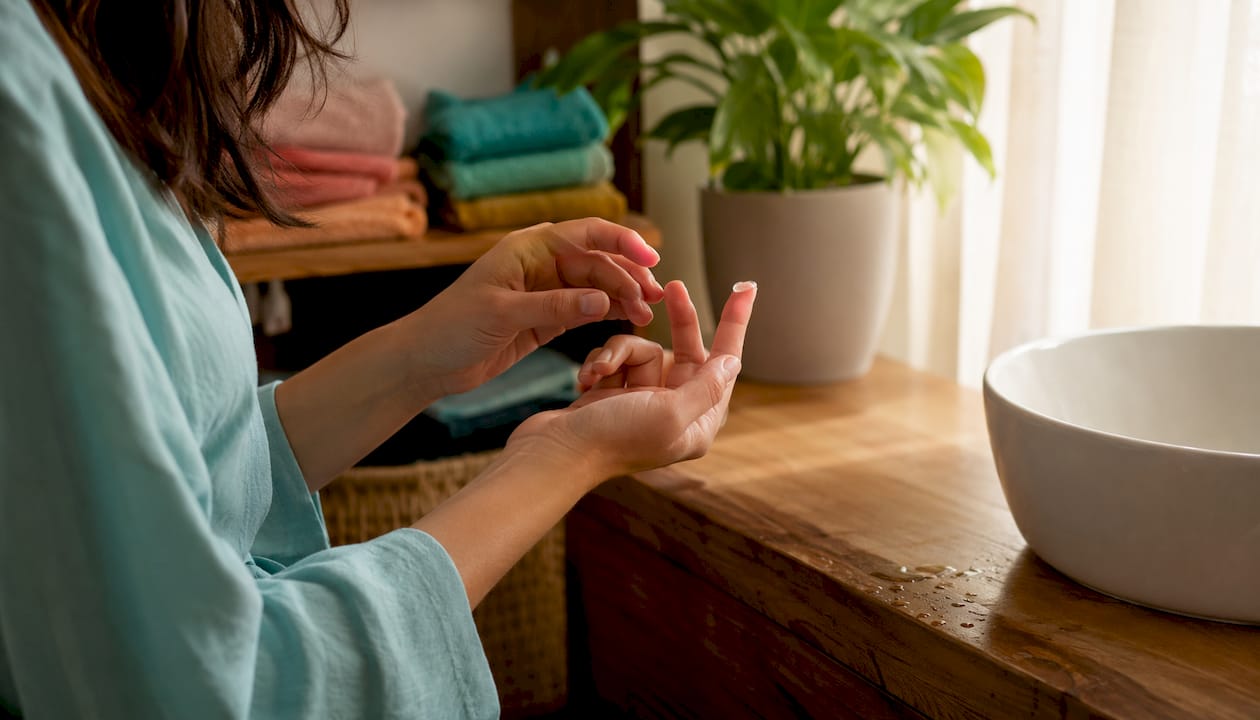
Vaginal moisturizers are designed for regular, ongoing use, not just during sex. Applied two to three times per week, they work by binding water to vaginal tissue and gradually improving hydration and elasticity over time. Common active ingredients include hyaluronic acid, polycarbophil, and aloe vera. Think of them as a maintenance routine for tissue health. Clinical reviews note that consistent moisturizer use can meaningfully reduce dryness symptoms separate from any sexual activity, and for mild to moderate GSM, the benefit can approach what some women experience with local estrogen.
Personal lubricants are situational. You apply them right before or during sex or solo stimulation to reduce friction in the moment. They don’t restore tissue over time, but they make intimacy comfortable right now.
When to use each:
- Use a moisturizer on a regular schedule (e.g., every other day or three times per week) regardless of sexual activity.
- Use a lubricant every time you have sex or use a toy, even if you’ve been using a moisturizer consistently.
- If symptoms are severe or don’t improve after four to six weeks of consistent OTC use, that’s the signal to call your clinician. Lubricants and moisturizers relieve symptoms but do not reverse the underlying tissue changes caused by estrogen loss. Only topical estrogen, vaginal DHEA, or systemic therapy can do that.
Which lubricant type is right for you?
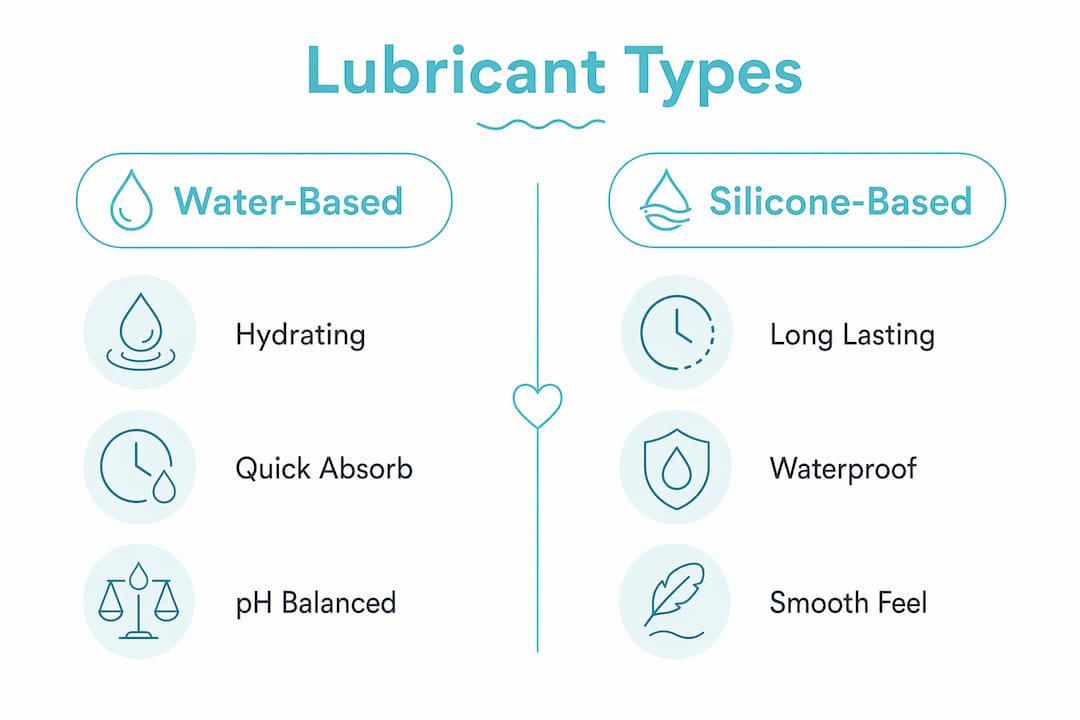
Water-based, silicone-based, hybrid, and oil-based lubricants each have a distinct profile. The comparison below covers the factors that matter most for menopausal dryness.
Lubricant type comparison
| Type | Best for | Longevity | Condom & toy safe? | pH/osmolality risk | Clean-up |
|---|---|---|---|---|---|
| Water-based | Daily use, toys, sensitive skin | Short (reapply often) | Yes, all condoms and toys | Varies by formula; check osmolality and avoid glycerin | Easy, rinses off |
| Silicone-based | Longer sessions, water play | Long (rarely need to reapply) | Yes with latex condoms; avoid with silicone toys | Generally low risk; no glycerin | Requires soap and water |
| Hybrid (water + silicone) | Balance of feel and longevity | Moderate | Usually condom-safe; check label for silicone toy use | Moderate; check ingredients | Moderate |
| Oil-based | Massage, external use, solo play | Long | No with latex condoms; may degrade latex | Can disrupt vaginal pH | Harder to clean; may stain |
Pros and cons at a glance:
- Water-based: Safe with everything, easy to find, gentle on sensitive tissue. The trade-off is frequent reapplication, especially during longer sessions. Formulation matters more than the base alone — some water-based products with high osmolality or glycerin can irritate already-fragile tissue.
- Silicone-based: Long-lasting and very slippery, which makes it a strong choice for women with significant dryness. Silicone lubricants last longer and feel more slippery than water-based options. Do not use silicone lubricant with silicone toys — it can degrade the toy’s surface.
- Hybrid: A middle ground that reduces how often you need to reapply while staying compatible with most condoms. Read the label carefully before pairing with silicone toys.
- Oil-based: Rich and long-lasting for external massage or solo use, but incompatible with latex condoms. Coconut oil and similar natural oils can also alter vaginal pH and increase infection risk with regular internal use.
Pro Tip: Products that explicitly list pH or osmolality on the label or product page are making a transparency commitment most brands skip. That detail alone is a useful quality signal when you’re comparing options.
How to apply lubricants and moisturizers effectively
Getting the most from these products is mostly about timing and consistency, not technique.
- Patch test first. Apply a small amount of any new product to the inner forearm and wait 24 hours. If there’s no redness or itching, it’s likely safe for more sensitive tissue.
- Wash your hands before any application, internal or external.
- Moisturizer schedule: Apply your vaginal moisturizer two to three times per week, not just when symptoms flare. Consistency is what builds and maintains tissue hydration over time.
- Lubricant timing: Apply lubricant to the vaginal opening, inner labia, and any toy or partner’s body part that will make contact. Do this right before activity begins, not after discomfort starts.
- Reapply freely. With water-based lubricants especially, reapplying mid-session is normal and encouraged. Keep the bottle within reach.
- Condom and toy compatibility: Use water-based lubricant with silicone toys. Use water-based or silicone lubricant with latex condoms. Never use oil-based products with latex condoms.
- Track your response. Give a new moisturizer two to four weeks of consistent use before deciding whether it’s working.
Pro Tip: Regular sexual stimulation — with a partner or solo — increases blood flow to vaginal tissue and supports elasticity and natural lubrication over time. Clinicians include this as part of a complete approach to GSM, not just a side benefit. Pairing a lubricant with a vibrating stimulator can make solo sessions more comfortable and therapeutically beneficial.
When should you see a clinician, and what are your prescription options?
OTC lubricants and moisturizers are the right starting point, but they have limits. Know the signs that it’s time to call your doctor.
Red flags that warrant a clinician visit:
- Vaginal bleeding after sex or without an obvious cause
- Severe pain during penetration that lubricants don’t relieve
- Recurrent urinary tract infections
- No meaningful improvement after four to six weeks of consistent moisturizer and lubricant use
- New discharge, odor, or sores
Prescription options your clinician may discuss:
When OTC products aren’t enough, low-dose vaginal estrogen is the most established next step. It comes as a cream, ring, or tablet inserted vaginally, and it works locally with minimal systemic absorption. Vaginal DHEA (prasterone) and the oral selective estrogen receptor modulator ospemifene are additional options for women who don’t respond to nonhormonal treatments or prefer alternatives to estrogen.
Special consideration for breast cancer history: If you have a personal history of breast cancer or another estrogen-sensitive condition, talk to your oncologist before starting any estrogen-containing product, including low-dose vaginal formulas. Nonhormonal lubricants and moisturizers are generally considered safe in this population, but your oncologist should be part of that conversation. ACOG and Mayo Clinic both emphasize clinician guidance for hormone-sensitive cases.
This article is general information, not medical advice. Confirm your options with a qualified clinician for your specific situation.
What to look for when buying, plus Playfulcove product picks
A short checklist cuts through the noise when you’re standing in front of a shelf or scrolling a product page.
Shopping checklist:
- pH-balanced (3.5–4.5), stated on the label or product page
- Free of glycerin, parabens, and fragrance
- Condom and toy compatibility confirmed
- Longevity matches your needs (water-based for quick use, silicone for longer sessions)
- Easy clean-up for your preference
- Available in a size that lets you test before committing to a large bottle
Playfulcove picks matched to common needs
| Product | Type | Best for | Key feature |
|---|---|---|---|
| Intimate Earth Hydra | Water-based, organic | Sensitive skin, daily use, toy compatibility | Plant cellulose base, free of glycerin and parabens |
| JO Premium Silicone Lubricant | Silicone | Longer sessions, water activities | Long-lasting, very low reapplication need |
| Elbow Grease Original | Oil/cream | External massage, solo use (not with latex condoms) | Rich, conditioning texture for external comfort |
Intimate Earth Hydra is a strong first choice for women with GSM. Its plant-cellulose base is gentle on sensitive tissue, and it’s free of the common irritants (glycerin, parabens, fragrance) that can worsen symptoms. It’s also safe with all toys and condoms.
JO Premium Silicone Lubricant suits women who find water-based options wear off too quickly. The silicone formula stays slippery through longer sessions and works well in water, making it a practical pick for bath or shower intimacy. Remember: silicone lube and silicone toys don’t mix.
Elbow Grease Original is an oil-cream formula that works well for external massage and solo stimulation. Because it’s oil-based, it’s not compatible with latex condoms and should not be used internally on a regular basis if you’re prone to pH disruption.
Testing advice: Start with a small amount on the vulvar skin during a nonsexual moment to check for sensitivity. Track how your symptoms respond over two to four weeks before switching products.
Key Takeaways
The most effective approach to menopausal vaginal dryness combines a pH-balanced lubricant for sexual activity with a regular vaginal moisturizer schedule, escalating to clinician care if OTC options don’t bring relief within four to six weeks.
| Point | Details |
|---|---|
| Use both products together | A lubricant handles friction during sex; a moisturizer used 2–3× per week builds lasting tissue hydration. |
| Check pH and osmolality | Target pH 3.5–4.5 and osmolality near 380 mOsm/kg; avoid glycerin, parabens, and fragrance. |
| Know when to escalate | Bleeding, severe pain, recurrent UTIs, or no improvement after 4–6 weeks means it’s time to see a clinician. |
| Breast cancer history requires extra care | Consult your oncologist before any estrogen-containing product; nonhormonal options are generally considered safe. |
| Playfulcove carries curated options | Intimate Earth Hydra (water-based), JO Premium Silicone, and Elbow Grease Original cover the main lubricant types with body-safe formulas. |
What people often get wrong about lubricants and menopause
The most common mistake I see is treating a lubricant as a complete solution when it’s really just one part of a larger picture. Women use a lubricant once, find it helps in the moment, and stop there. But GSM is a tissue-level change, and situational relief doesn’t address what’s happening between sessions.
The second mistake is choosing a product based on brand familiarity rather than ingredients. Some of the most widely recognized lubricant brands contain glycerin or high-osmolality formulas that can irritate already-fragile menopausal tissue. The label matters more than the name on the front.
There’s also a cultural hesitation that delays care. Many women treat dryness as an inevitable, private inconvenience rather than a treatable medical condition. Clinicians note that patients often delay seeking help because they assume nothing can be done. That assumption costs real quality of life. The treatments work, and the conversation with a clinician is worth having sooner rather than later.
Lubricants and moisturizers are genuinely useful tools. They’re just most useful when you understand what they can and can’t do, choose them carefully, and pair them with regular use and, when needed, professional guidance.
Playfulcove is your discreet, curated source for menopause comfort products
Choosing the right lubricant or moisturizer for menopausal dryness shouldn’t mean sorting through hundreds of options with no guidance. Playfulcove brings together body-safe, clinician-aligned products in one welcoming place, with discreet shipping and educational content that helps you shop with confidence.
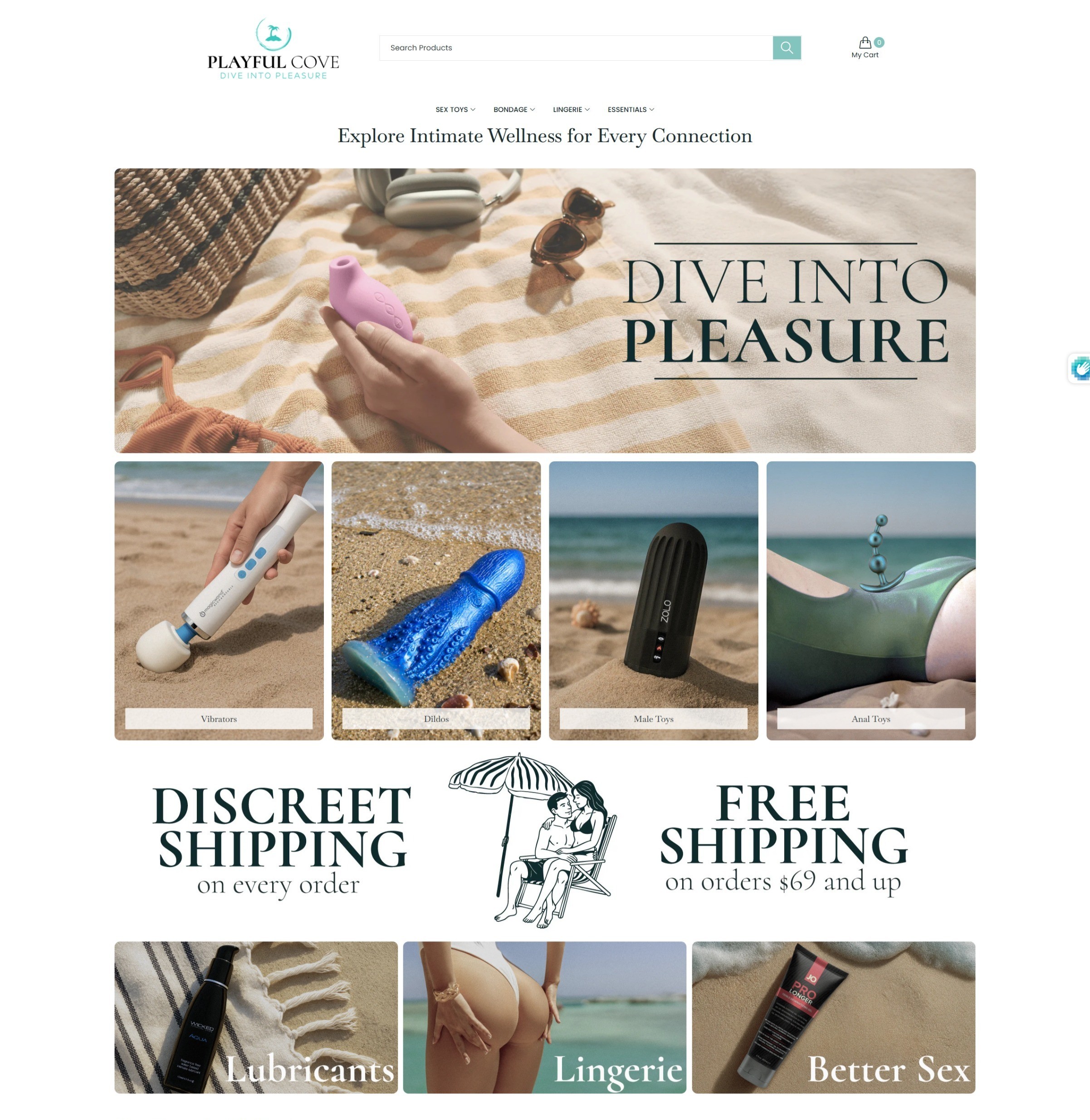
Every product in our lubricant collection is selected with sensitive skin and body safety in mind. Whether you’re starting with a gentle water-based option like Intimate Earth Hydra or looking for the longer-lasting comfort of JO Premium Silicone, you’ll find what you need without the guesswork. Prefer something richer for external use? Elbow Grease Original is there too. Browse the full collection at Playfulcove, add to cart with confidence, and receive your order in discreet packaging.
Useful sources and further reading
These are the clinical and consumer-health sources used throughout this article. Each one is worth bookmarking if you want to go deeper.
- Cleveland Clinic Journal of Medicine — GSM review: A peer-reviewed clinical overview of GSM causes, prevalence, and treatment options from first-line OTC products through prescription therapies. Highly useful for understanding the full treatment ladder.
- Mayo Clinic — Vaginal dryness after menopause: Clinician-reviewed FAQ covering OTC options, when to see a doctor, and what to expect from treatment. Reliable first stop for general guidance.
- Frontiers in Reproductive Health — Moisturizers and lubricants for vulvovaginal atrophy: Detailed review of product types, pH and osmolality considerations, WHO advisory guidance, and the role of sexual activity in tissue health. The most technically thorough source in this list.
- Healthline — Best vaginal lubricants for menopause-related dryness: Clinician-reviewed consumer roundup with ingredient breakdowns and product use-case guidance. Useful for cross-referencing product picks.
- ACOG (American College of Obstetricians and Gynecologists): The professional body whose clinical guidelines underpin most of the OTC-first, escalate-to-prescription recommendations in this article. Search their patient education library for condition-specific guidance.
